

How Does Relaxation Reduce Stress in the Body?
- Ho Hsien Hsu

- 7 days ago
- 5 min read
A tense jaw at your desk, shallow breathing in traffic, shoulders that stay lifted long after the busy part of the day is over - stress often makes itself known through the body before we put words to it. So, how does relaxation reduce stress? It gives your nervous system a clear, repeated signal that the immediate demand has passed and it is safe to soften.
Relaxation is not simply doing less. It is an active shift in your physical and mental state. A quiet room, unhurried touch, a warm bath, slower breathing, or time away from constant demands can all create conditions that help your body move out of high alert. For busy professionals, parents, caregivers, and anyone carrying a full schedule, that shift can make daily life feel more manageable.
How Does Relaxation Reduce Stress Physically?
When you are under pressure, your body is built to respond. Your brain recognizes a demand, whether it is a deadline, conflict, financial worry, or an overpacked calendar, and activates the stress response. Your heart rate may rise, your muscles may brace, and your breathing can become faster and shallower. This response is useful when you need quick energy or focus.
The problem is not stress itself. The challenge is remaining in that state for too long without enough opportunities to recover. When stress becomes ongoing, the body can begin treating ordinary moments as another demand. You may notice restless sleep, muscle tightness, irritability, fatigue, headaches, or difficulty concentrating.
Relaxation supports the other side of this system, often called the rest-and-digest response. As breathing becomes slower, the muscles release, and sensory input becomes calmer, your body has a chance to reduce its level of activation. Heart rate and blood pressure may settle, digestion can become more comfortable, and the mind may feel less scattered. The experience varies from person to person, but the principle is simple: your body needs regular evidence that it does not have to stay on guard.
This is why a relaxing experience can feel so different from scrolling on the couch after a long day. Both may involve sitting still, but only one may truly quiet the stream of stimulation and invite your attention back into your body.
The Mind Needs a Pause, Too
Stress is not only a physical reaction. It can also keep your thoughts looping through unfinished tasks, conversations, and what-ifs. Relaxation creates a pause in that loop. When your environment is quieter and your attention is gently directed toward breath, warmth, scent, or the feeling of supported rest, there is less room for mental multitasking.
That does not mean a relaxing hour erases the source of stress. A spa treatment cannot remove a demanding job, a family obligation, or a difficult season. What it can do is help you meet those realities from a less depleted place. After meaningful rest, people often find it easier to think clearly, respond with patience, and recognize what needs attention first.
There is also value in permission. Many adults postpone self-care until they are exhausted, as though rest needs to be earned. Scheduling a dedicated period of care reframes relaxation as maintenance rather than a reward reserved for special occasions.
Why Massage Can Feel Especially Restorative
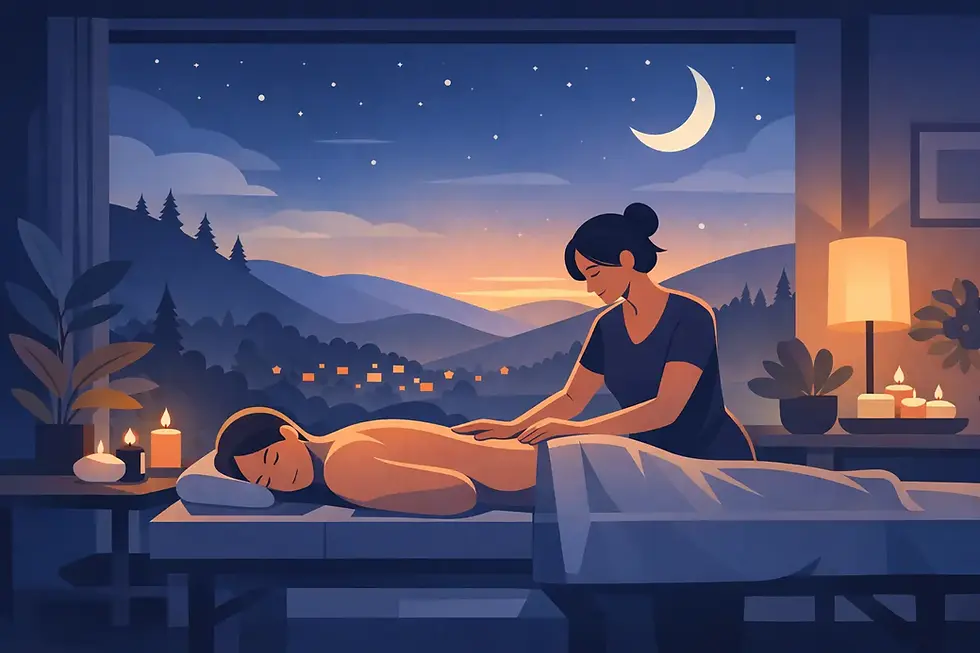
Massage combines several calming elements at once: a peaceful setting, comfortable temperature, focused attention, and skilled touch. For muscles that have been bracing through long workdays, commuting, exercise, or poor sleep, this can feel like a welcome reset.
An expert therapist can tailor pressure and pacing to your comfort level, helping the experience feel restorative rather than demanding. Some clients prefer a gentle, quiet treatment when they feel overwhelmed. Others find that deeper work on persistent areas of tension helps them feel more at ease afterward. The right choice depends on your body, your preferences, and how you are feeling that day.
Massage is not a substitute for medical assessment or mental health care when those are needed. Persistent pain, severe anxiety, changes in mood, or sleep problems that continue deserve appropriate professional support. Still, for everyday stress and muscle tension, regular massage can be a valuable part of a broader wellness routine.
At Ocean-Spa, therapist-led treatments offer a serene and rejuvenating space to step away from the pace of the day and focus on your own well-being. The goal is not to rush relaxation. It is to make room for it.
Relaxation Works Best When It Is Repeated
One relaxing afternoon can offer immediate relief, but lasting stress support often comes from consistency. Think of relaxation as you would hydration or sleep: a single good choice helps, yet the benefits are stronger when the practice becomes part of your rhythm.
That rhythm does not need to be elaborate. A monthly massage, a weekly bath ritual, ten quiet minutes before bed, or a short walk without your phone can all become cues that tell your body it is time to come down from the day. The most useful practice is usually the one you can return to without adding pressure to your schedule.
It also helps to choose relaxation that matches the kind of stress you are carrying. If your body feels tight and tired, warmth, stretching, massage, or gentle movement may be most appealing. If your thoughts feel crowded, a low-stimulation environment, breathing practice, or a quiet treatment may be more effective. When you feel lonely or emotionally worn down, connection with a trusted person can be just as restorative as solitude.
Small Ways to Extend the Feeling at Home
A spa appointment can be a meaningful anchor in your month, and small rituals at home can help carry that calm into the days between visits. The point is not to recreate a treatment room perfectly. It is to make ordinary moments feel more intentional.
Begin by reducing one source of stimulation. Put your phone in another room while you shower, dim the bathroom lights, or take five slower breaths before starting dinner. Then add one sensory cue that you genuinely enjoy, such as a favorite body lotion, bath product, soft robe, calming music, or warm tea. Premium self-care products can make the ritual feel more special, but simplicity works, too.
Try to notice when your body is asking for a pause. Clenched hands, a headache, snapping at small inconveniences, or reaching for another screen late at night may all be signs that you need a gentler transition. Responding early is often easier than waiting until stress has fully taken over.
Make Relaxation Practical, Not Perfect
Some people imagine relaxation requires a completely clear calendar and an uninterrupted hour. That standard can turn self-care into another item to fail at. A more realistic approach is to protect manageable moments and treat them as worthwhile.
If evenings are unpredictable, a morning shower can become a quiet ritual. If you have children or a demanding household, consider trading time with a partner or arranging a treatment in advance rather than hoping an opening appears. If your workday is intense, a few minutes of slow breathing in the car before driving home can create a helpful boundary.
The trade-off is that relaxation asks for time, attention, and sometimes a financial investment. Yet ongoing stress also has costs: less energy, reduced patience, disrupted sleep, and fewer reserves for the people and responsibilities that matter most. The aim is not indulgence. It is choosing care that supports your capacity to live well.
The next time you feel your shoulders creeping upward or your thoughts running ahead of you, start small. Create ten uninterrupted minutes, choose one comforting sensory detail, and let your body practice receiving the message it needs most: you can pause now.


Comments